
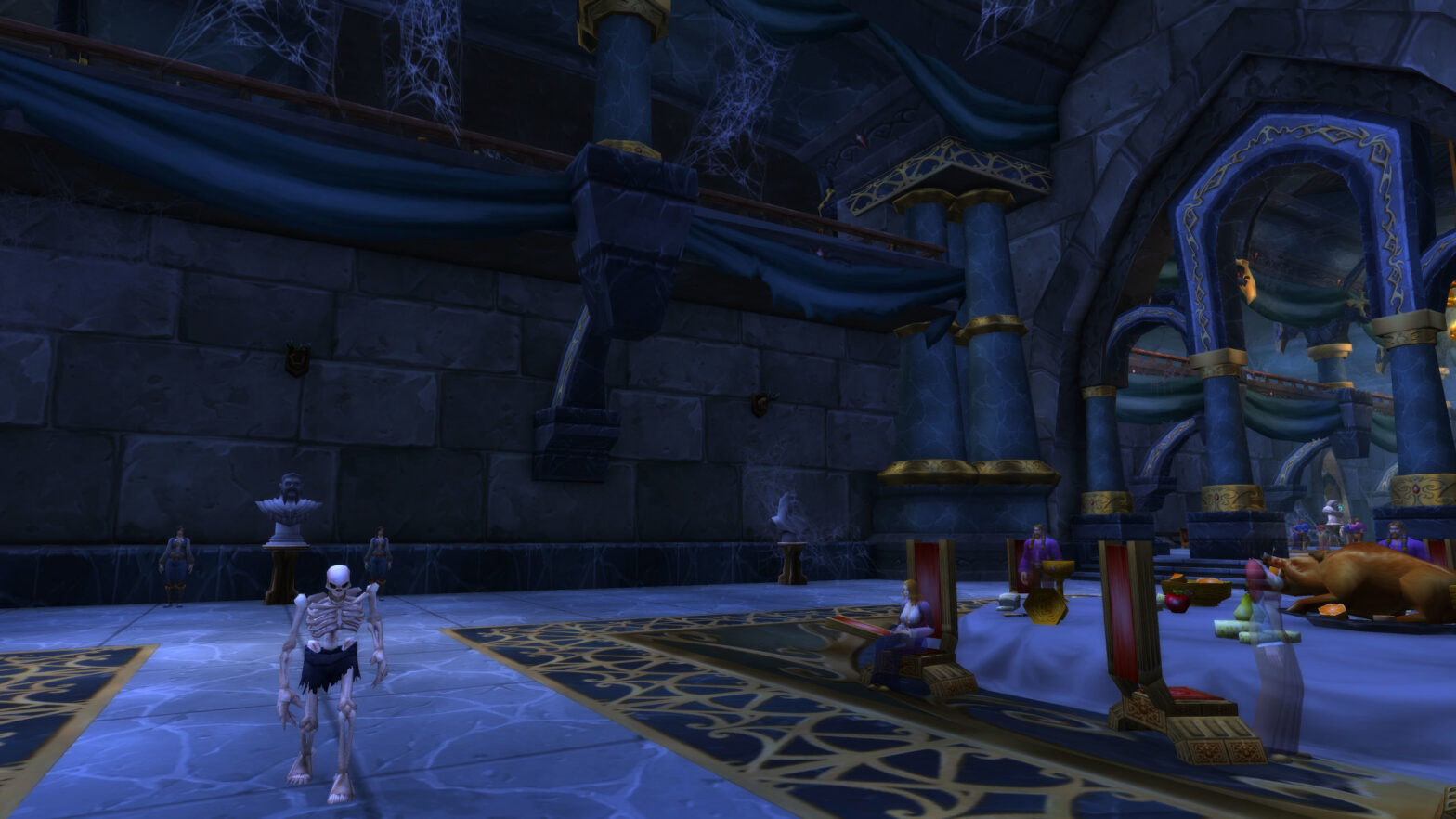
The world’s long history of conflict reflects more than fantasy storytelling — it mirrors the shifting alliances, ideological divides, and political pressures that shape real-world societies. While set in a universe of magic and myth, many of its most iconic conflicts resonate because they capture the struggles between collaboration and division, tradition and progress, unity and identity. These parallels make the narrative feel grounded despite its fantastical scale.
This article explores how the world’s political conflicts reflect real-world tension and alliances, showing why the story feels both timeless and familiar.
Faction Identity as a Reflection of National Pride
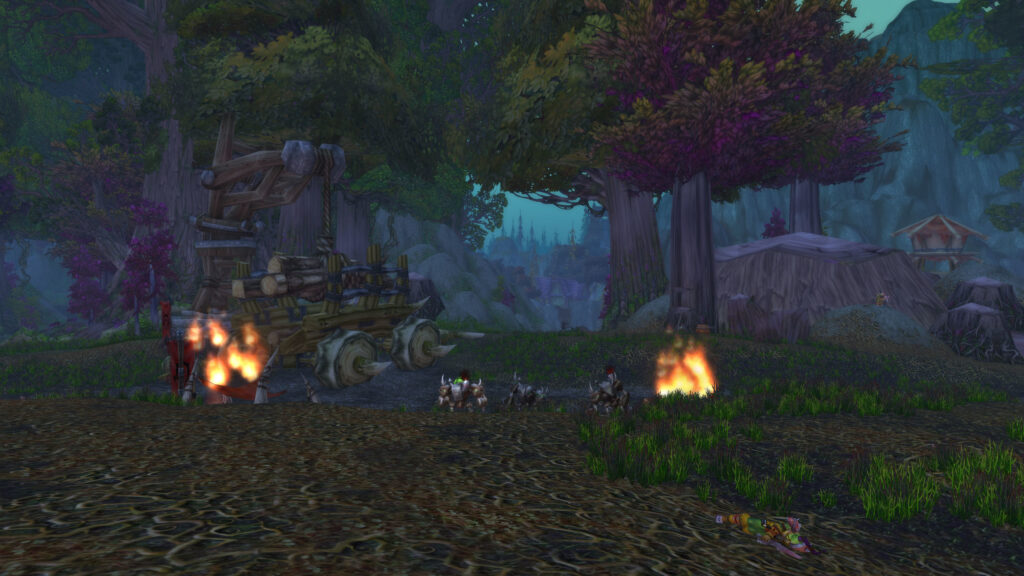
The divide between major factions resembles real-world expressions of national identity. Cultural heritage, shared history, and symbolic leadership shape group loyalty. Players feel this connection deeply because faction identity influences worldview, social structures, and moral perception. This creates conflict not based solely on territory or resources, but on ideology and cultural pride.
Faction loyalty becomes a stand-in for real-world cultural allegiance.
Political Rivalries and Shifting Alliances
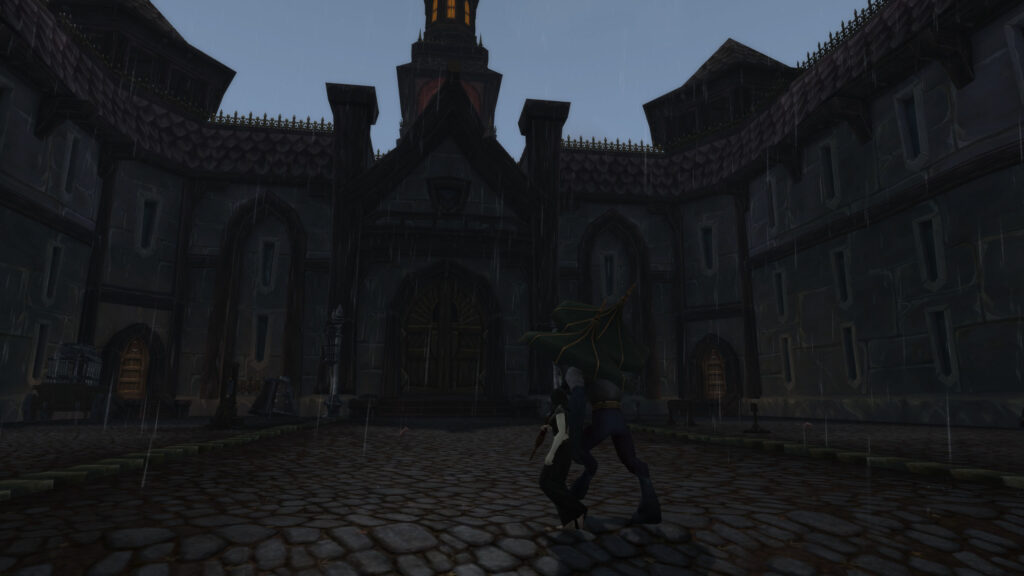
Throughout history, rival groups have formed uneasy alliances in response to greater threats. The same pattern appears repeatedly: former enemies stand together against existential dangers, only to fall back into old rivalries when the crisis ends. These shifting relationships mirror the fluid nature of international diplomacy, where cooperation is often temporary and shaped by immediate necessity rather than lasting reconciliation.
To illustrate these shifting dynamics, here is a simplified comparison:
| Conflict Type | Real-World Parallel | Emotional Effect |
|---|---|---|
| Faction war | National or ideological rivalry | Pride, loyalty, cultural tension |
| Temporary truce | Diplomatic alliances | Reluctant cooperation |
| Shared existential threat | Global crisis response | Unity driven by survival |
| Post-crisis mistrust | Fragmenting alliances | Return to rivalry |
Leadership as a Mirror of Political Realities
Leadership shapes conflict in ways that reflect real-world dynamics. Charismatic leaders rally citizens around ideals, while unstable or authoritarian leadership creates internal tension. Flawed leaders make emotional decisions, while pragmatic leaders prioritize strategy. These shifts cause political identity to evolve over time, mirroring the way nations rise, fall, and adapt as governments change hands.
Leadership defines not just policy, but cultural memory.
Ideology, Tradition, and Cultural Power
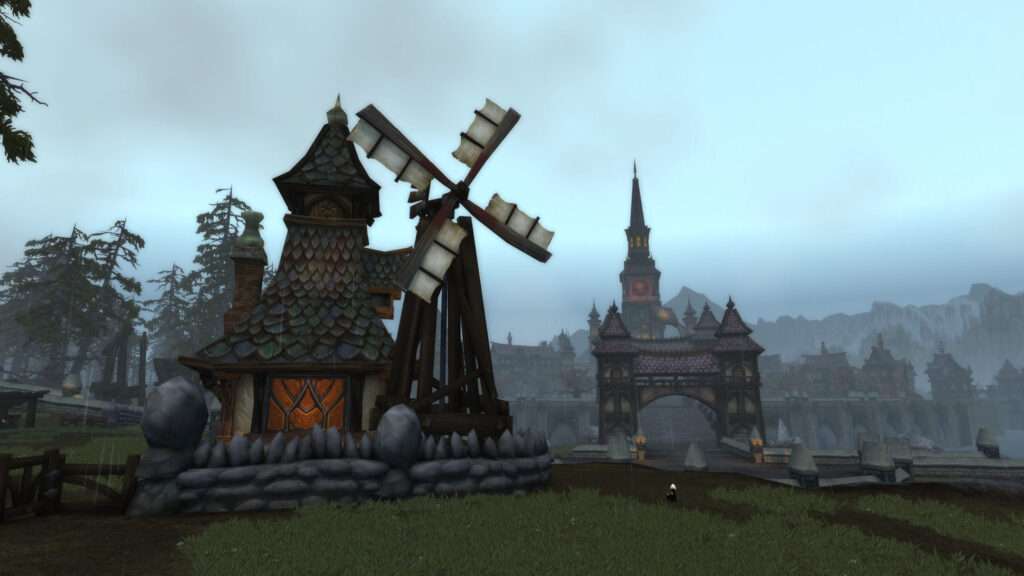
Conflicts often arise from ideological divides: tradition versus progress, isolation versus diplomacy, order versus freedom. These divides shape entire story arcs, pushing groups to define what they value and why. The tension between preserving heritage and embracing change echoes debates found in modern political discourse.
Cultural identity becomes a battlefield of ideas.
Why These Parallels Feel So Familiar
The world’s conflicts resonate because they reflect recognizable patterns. Players see reflections of real-world tension in faction politics, leadership struggles, and ideological divides. These parallels do not mimic specific historical events but instead capture universal themes of governance, loyalty, and conflict. This familiarity grounds fantasy in emotional truth, making stories feel more meaningful.
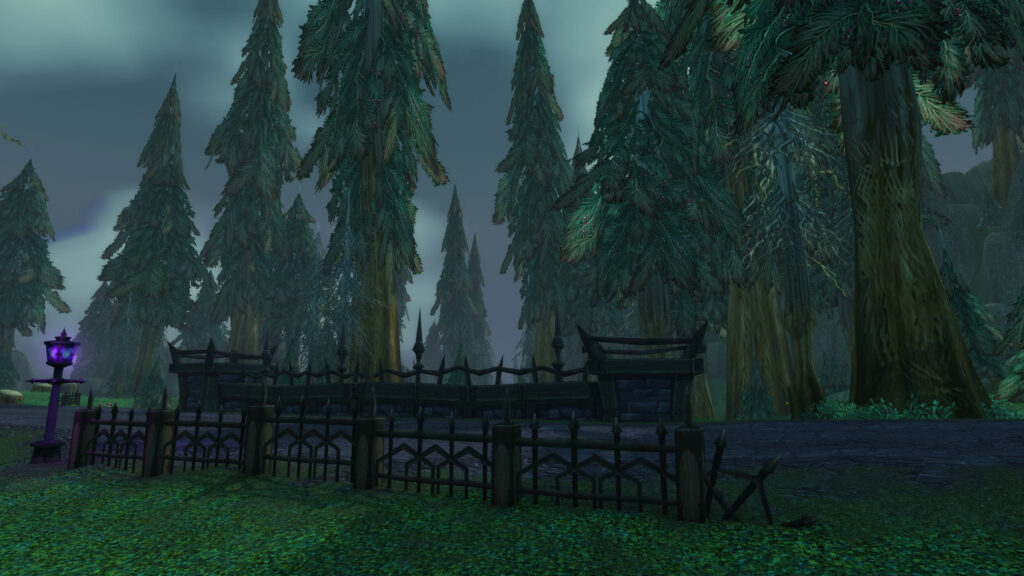
Fantasy becomes powerful when it mirrors reality’s emotional undercurrents.
Conclusion
The political conflicts of the world mirror real-world tension through faction identity, shifting alliances, unstable leadership, and ideological struggle. These echoes give the story lasting relevance, allowing players to engage with themes of loyalty, culture, and power through a fantasy lens. Through these parallels, the narrative explores not just the world’s wars — but the human nature behind them.

Leave a Reply